
Using AI to build topic clusters and silo structures for SEO is one of the fastest ways to improve your site architecture, boost topical authority, and rank higher on Google. This guide will show you how AI tools can simplify keyword clustering, help you plan content more effectively, and structure your website in a way that search engines understand clearly.
Whether you’re a blogger, SEO professional, marketer, or small business owner, this step-by-step guide will help you use AI to build powerful SEO clusters.
What are topic clusters and silo structures?
Topic clusters are groups of related content organized around a central pillar page. The pillar page covers the main topic, while supporting articles dive into subtopics. This structure helps search engines understand your content depth and boosts your authority on a subject.
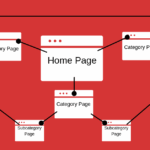
Silo structures take clustering even further by creating a clear hierarchy within your site. A silo connects all related articles under one parent category or theme, helping Google crawl your content more efficiently.
Using both together creates a highly optimized content architecture designed for maximum rankings.
Why use AI for topic clusters and silo structures?
AI makes SEO workflows faster, more accurate, and more scalable. Here’s how AI helps improve keyword clustering and site architecture.
Faster keyword research and clustering
AI can process thousands of search terms instantly, grouping them into meaningful categories using semantic similarity. Instead of manually sorting keywords, you can input a list into a free keyword clustering tool, cluster tool, or free online clustering tool to get ready-made groups.
This saves hours and ensures no important search term is missed.
Scalable content planning
AI allows you to create content plans quickly—mapping pillar pages, cluster topics, and subtopics in minutes. For bloggers and small business owners, this means you can build a complete content calendar around SEO clusters without needing advanced technical skills.
Enhanced internal linking and topical authority
AI tools can analyze your existing pages and suggest the most effective internal links. This improves website flow and keeps visitors engaged longer. You can also use internal resources like as part of your cluster, reinforcing the silo structure.
How to build topic clusters using AI — step-by-step
Step 1: Define your core pillar topic
Start by choosing your main topic. This should be a broad subject with high search demand and multiple subtopics. For example, “Using AI for SEO,” “Keyword clustering,” or “Silo structure for blogs.”
The pillar page becomes the center of your cluster.
Step 2: Perform keyword research and clustering
Collect all relevant keywords using AI tools. You can use a free keyword clustering tool or free online clustering tool to group queries based on semantic similarity.
These tools automatically organize search terms into logical clusters such as:
• Topic cluster examples
• AI keyword grouping
• Best keyword clustering template
• Internal linking strategies
This forms the foundation of your content plan.
Step 3: Map subtopics and silo pages
Once keywords are clustered, map out your topic clusters and create silos. A silo is a structured pathway from the pillar page to cluster pages.
Here is an example structure:
| Pillar Topic | Cluster Pages | Supporting Topics |
|---|---|---|
| Using AI for SEO | Keyword clustering AI | Free keyword clustering tool |
| Silo structure SEO | Cluster tool | Keyword clustering template |
| AI content planning | Content mapping AI | Free online clustering tool |
This visual structure makes it easy to see how your website will expand.
Step 4: Create and publish content for each cluster
Each keyword cluster should have its own dedicated article. Use AI to help generate outlines, create FAQs, analyze SERPs, or rewrite content with improved clarity.
Every cluster article must:
• Link back to the pillar page
• Include natural internal links to related cluster articles
• Focus on one primary subtopic to avoid keyword cannibalization
This increases your topical authority.
Step 5: Optimize internal linking and navigation
Internal linking is crucial for silo structures. Ensure that:
• Every cluster article links to the pillar page
• Articles within the same cluster link to each other
• Category pages serve as top-level silos
This helps Google crawl your site smoothly and improves your ranking potential.
Step 6: Monitor and iterate
Use AI monitoring tools to check ranking movement, page authority, and engagement. AI can also suggest new keywords or missing topical gaps. Update old content regularly, fill missing clusters, and improve your internal linking as your site grows.
Free online tools, templates and resources you can use
Here are some helpful resources you can use to build clusters:
• Free online clustering tool – perfect for beginners
• Cluster tool – ideal for semantic keyword grouping
• Free keyword clustering tool – best for large keyword lists
• Keyword clustering template – helps structure your content plan visually
Using these tools ensures your cluster strategy is complete and well-organized.
FAQs (People Also Ask)
What is a keyword clustering tool?
A keyword clustering tool groups similar search terms based on user intent and semantic relevance. It helps you plan content more effectively by revealing natural topic groups.
How does keyword clustering improve SEO?
Keyword clustering improves SEO by organizing content into meaningful categories, helping search engines understand your website better. This increases topical authority and boosts rankings.
What is a silo structure in SEO?
A silo structure is a method of organizing content where articles are arranged into logical categories and linked internally to reinforce topic relevance.
Is it better to use AI for silo structure?
Yes, AI speeds up the process by automating clustering, analyzing topical gaps, and suggesting internal linking patterns. It makes the entire workflow more efficient.
Can small business owners use this method?
Absolutely. Even without technical knowledge, small business owners can use AI to build effective topic clusters that improve rankings and traffic.
Conclusion
Using AI to build topic clusters and silo structures for SEO is one of the smartest and fastest ways to grow your website. It simplifies keyword research, creates clear content pathways, and increases your visibility across search engines. When combined with a strong internal linking strategy and consistent content creation, this method can significantly boost your rankings and authority.
Start by clustering your keywords, building your silos, and optimizing your content around a central pillar. Continue refining your structure using AI insights—and watch your website grow in authority and traffic.