

Starting a blog in 2025 is one of the smartest ways to build your online presence, create a digital portfolio, grow a business, or even generate passive income. With the rise of AI-powered tools and smarter blogging platforms, the process has become easier than ever — especially for beginners, small business owners, students, and creators. If you’re wondering how to start a blog in 2025 the right way, this complete step-by-step guide will walk you through everything you need to know.
- Why Blogging Still Matters in 2025
- Choose Your Blogging Platform: WordPress vs Free Blog Sites
- Step-by-Step: Setup Your Blog
- Blog Website Design and Usability Best Practices
- Create Content That Ranks and Engages
- How to Start a Blog and Make Money
- Promote Your Blog and Grow Your Audience
- Avoid Common Blogging Mistakes
- FAQs
This guide covers how to select the right platform, set up your blog, create your first posts, and build a blogging strategy that brings long-term results.
Why Blogging Still Matters in 2025
Even with the rapid growth of short-form content and video platforms, blogging continues to thrive. In 2025, blog content remains a powerful way to:
- Build authority in your niche
- Attract readers organically through SEO
- Promote your business or brand
- Share expertise and educational content
- Earn money from ads, affiliate marketing, and digital products
Blogging remains especially relevant for beginners and creators who want a long-term digital asset that grows with time.
Choose Your Blogging Platform: WordPress vs Free Blog Sites
Selecting the right blogging platform is the most important first step. In 2025, the two most popular choices for beginners are WordPress blogs and free blog sites.
Why WordPress is a Top Choice
WordPress is the most popular platform worldwide and for good reasons:
- Full control over your blog
- Unlimited customisation options
- Thousands of themes and plugins
- Excellent for SEO
- Scalable as your blog grows
If your goal is to build a professional blogging website, start a business blog, or eventually monetise your blog, WordPress is the ideal option. Many beginners choose WordPress because it balances ease of use with powerful features.
Free Blog Sites and When They Make Sense
If you’re simply experimenting with blogging or you’re on a zero budget, free blog sites offer an easy entry point. Popular free platforms allow you to:
- Create a blog for free in minutes
- Publish directly without technical setup
- Use built-in themes and templates
However, these free blog options have limitations such as restricted design control, limited storage, and difficulty monetising. They are great for students or beginners testing the blogging process before investing in a full WordPress setup.
Step-by-Step: Setup Your Blog
Here’s exactly how to start a blog in 2025 using a simple, beginner-friendly process.
Select a Domain and Hosting
To start a WordPress blog, you need:
- A domain name (yourblogname.com)
- A hosting provider
Choose a domain that represents your niche, is easy to type, and sounds memorable. Hosting providers store your website files and make your blog accessible online. Go for a reliable hosting service that offers fast loading speed and good customer support.
Install WordPress and Pick a Theme
Most hosting providers offer one-click WordPress installation. After installing, select a clean and responsive theme that suits your blog style.
Types of WordPress themes:
- Free themes for simple blogs
- Premium themes for advanced customisation
- Minimalist themes for professional branding
Look for a theme that is mobile-friendly, visually appealing, and easy to navigate.
Configure Essential Settings and Plugins
WordPress becomes more powerful when you install useful plugins. Some essential plugins to consider include:
- SEO plugin
- Caching plugin for speed
- Backup and security plugins
- Contact form plugin
These tools help you optimise your blog for search engines, improve performance, and secure your content.
Create Key Pages and Your First Blog Post
Before publishing your first article, set up the essential pages:
- Home
- About
- Contact
- Privacy
Once these pages are ready, you can begin writing your first blog post. Focus on offering value, solving a problem, or answering a common question in your niche.
Blog Website Design and Usability Best Practices
Your blog design plays a big role in reader engagement. A well-designed blog website improves readability, enhances user experience, and keeps visitors coming back.
Here are some design and usability tips:
- Use a clean layout with easy navigation
- Keep fonts readable and simple
- Use white space to improve visual flow
- Optimise images for faster loading
- Avoid clutter and unnecessary widgets
Blog Examples to Inspire You
Successful blogs typically follow these best practices:
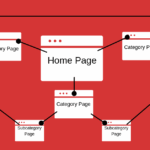
- Simple homepage layout
- Clear categories and menus
- Professional-looking header
- Consistent branding
Studying blog examples from your niche can help you decide your colours, layout, and writing style.
Create Content That Ranks and Engages
Content is the heart of your blog. In 2025, ranking on Google requires a balance of high-quality writing, helpful information, and strategic keyword usage.
Tips for writing SEO-friendly blog posts:
- Choose keywords with search intent
- Use clear headings and subheadings
- Answer questions directly for featured snippets
- Keep paragraphs short and readable
- Include images, tables, and bullets
- Write with clarity and value first
- Use AI writing tools for ideas and outlines
You can also explore tools to streamline your writing process. For example, check out
Types of content you can create:
- How-to guides
- Listicles
- Product reviews
- Case studies
- Tutorials
- Personal stories
- Opinion posts
Publishing consistently helps build trust and visibility.
How to Start a Blog and Make Money
Once you’ve published several posts and started attracting readers, you can begin monetising your blog.
Popular monetisation methods in 2025 include:
Display Ads
Monetise through platforms that pay you for ad views and clicks.
Affiliate Marketing
Promote products or services and earn commissions for each sale.
Sponsored Content
Brands may pay you to publish reviews or promotional content.
Selling Digital Products
Create e-books, templates, online courses, or printable downloads.
Offering Services
Writers, consultants, designers, and creators can use their blogs to attract clients.
To maximise earnings:
- Build an engaged audience
- Publish valuable content
- Optimise every page for SEO
- Promote your blog consistently
Promote Your Blog and Grow Your Audience
Publishing is only half the work — promotion matters too.
Here’s how beginners can grow traffic effectively:
- Share posts on social media
- Use email marketing to build a subscriber list
- Write guest posts on other sites
- Participate in online communities
- Optimise each blog post for Google
- Repurpose content into videos or infographics
Creating a content calendar helps keep your posting schedule consistent.
Avoid Common Blogging Mistakes
Beginners often make mistakes that slow their progress. Here are some to avoid:
- Choosing a niche that’s too broad
- Ignoring keyword research
- Publishing inconsistent content
- Using slow, outdated themes
- Not learning basic SEO
- Writing only for yourself, not your audience
Staying consistent and improving with each post is the key to long-term growth.
FAQs
What is the best platform to start a blog in 2025?
For most beginners, WordPress is the best platform due to its customisation options, SEO features, and long-term potential.
Can I start a blog for free and still make money?
Yes. Free blog sites allow you to start without investment. However, monetisation options are limited, and WordPress offers better long-term flexibility.
How much does it cost to start a WordPress blog in 2025?
A basic WordPress blog typically costs between a small annual domain fee and hosting charges. The total amount depends on your hosting plan and theme choices.
How often should I publish blog posts?
Beginners should aim to publish at least one high-quality post per week. Consistency matters more than quantity.